Growing Dahlia 'Bishop of Oxford' in the UK: Complete Care Guide
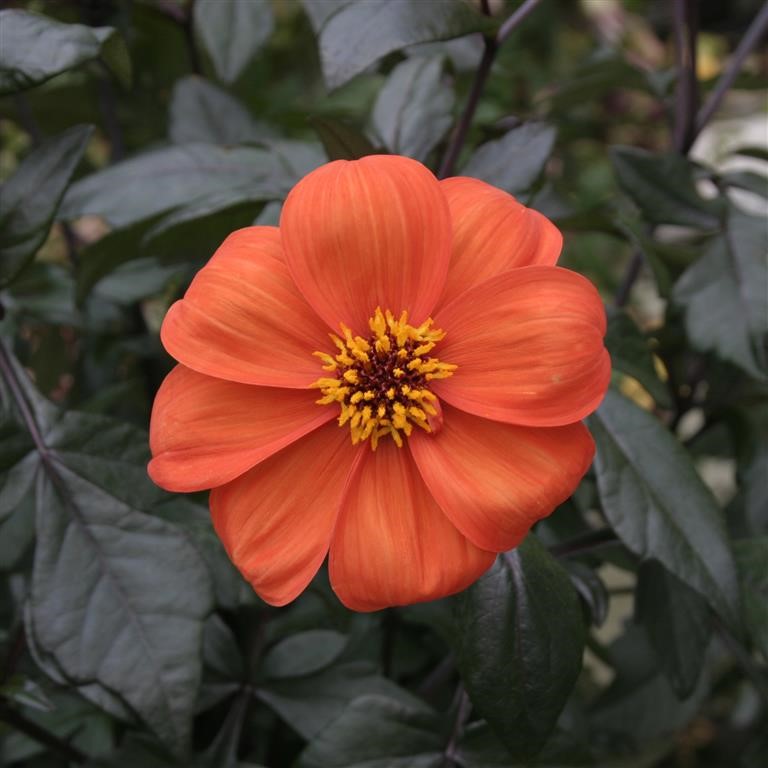
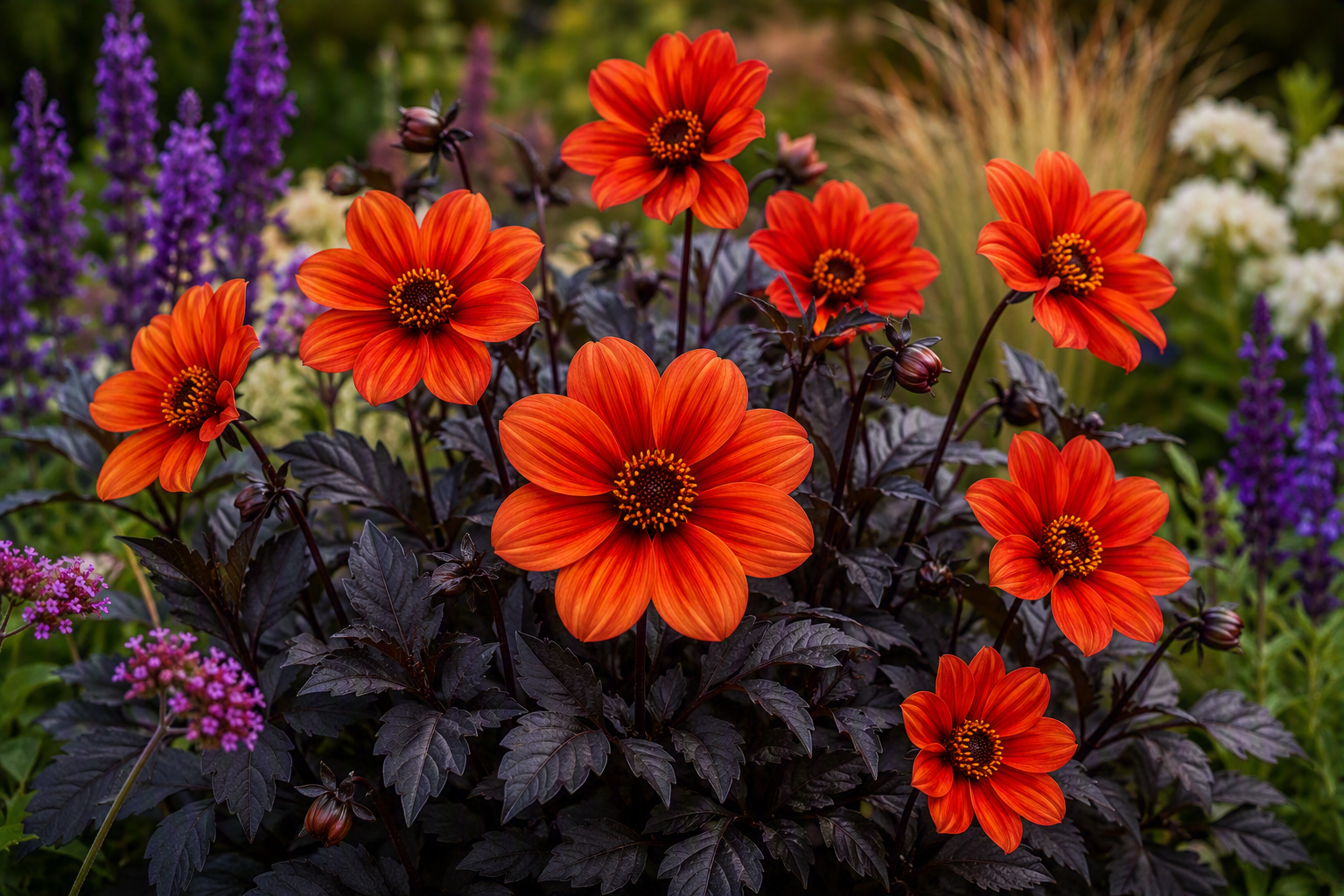
Dahlia 'Bishop of Oxford' is one of the most striking dahlias you can grow in a UK garden. Its deep bronze-purple foliage contrasts beautifully with vibrant orange-red flowers, creating a dramatic display from mid-summer until the first frosts. As a member of the popular Bishop series, it is also highly attractive to bees and other pollinators.
Whether growing in borders, cottage gardens, wildlife-friendly planting schemes or large containers, this guide explains everything you need to know about growing Dahlia 'Bishop of Oxford' successfully in the UK.
When to Plant Dahlia 'Bishop of Oxford'
Dahlia tubers are frost-tender and should only be planted outdoors once all risk of frost has passed.
Best planting times
- March to April: Start tubers indoors in pots.
- Mid-May onwards: Plant outside in most UK regions.
- Late May: Recommended for colder northern areas.
Starting tubers under cover can give plants a head start and encourage earlier flowering in summer.
The Best Soil and Position
Dahlia 'Bishop of Oxford' performs best in:
- Fertile, well-drained soil
- Full sun for at least six hours daily
- Sheltered locations protected from strong winds
Heavy clay soils should be improved with plenty of garden compost or well-rotted manure before planting.
A soil pH between 6.5 and 7.5 is ideal for healthy growth and abundant flowering.
How to Plant Dahlia 'Bishop of Oxford'
Planting Depth
Plant tubers 10 to 15 cm deep with the growing eye facing upwards.
Plant Spacing
Allow approximately 60 cm between plants to provide sufficient airflow and room for growth.
Staking
Install a sturdy stake when planting, as mature plants can reach around 90 cm in height and may require support during windy weather.
If You Cannot See the Growing Eye
Simply lay the tuber horizontally in the planting hole. New shoots will naturally grow towards the surface.
Watering Requirements
Once growth begins, water regularly during dry weather.
For best results:
- Keep soil evenly moist but never waterlogged.
- Water directly at the base of the plant.
- Apply organic mulch to conserve moisture.
- Avoid excessive watering in cool periods.
Poor drainage and overly wet conditions are among the most common causes of dahlia tuber rot.
Feeding for More Flowers
Dahlias are hungry plants and benefit from regular feeding.
At Planting Time
Apply a balanced fertiliser to encourage healthy growth.
Once Flower Buds Appear
Switch to a high-potassium feed, such as tomato fertiliser, every one to two weeks.
Avoid high-nitrogen fertilisers, which can encourage excessive leafy growth at the expense of flowers.
How to Get More Blooms
Pinch Out Growing Tips
When plants reach approximately 30 cm tall, remove the growing tip.
This encourages:
- Bushier plants
- More stems
- Increased flower production
Deadhead Regularly
Remove faded flowers throughout the season to keep plants flowering continuously from summer into autumn.
For Larger Individual Flowers
Remove smaller side buds near developing blooms so the plant directs energy into producing fewer but larger flowers.
Common Pests and Diseases
Slugs and Snails
Young shoots can be vulnerable in spring.
Control methods include:
- Wildlife-friendly slug pellets
- Beer traps
- Hand removal during evening inspections
Aphids
Treat infestations with soapy water sprays or encourage beneficial insects such as ladybirds.
Earwigs
Earwigs sometimes feed on dahlia petals. Traps made from upturned pots filled with straw can help reduce damage.
Powdery Mildew and Botrytis
To minimise fungal diseases:
- Maintain good plant spacing
- Improve air circulation
- Water at soil level only
- Remove affected growth promptly
Overwintering Dahlia 'Bishop of Oxford'
Lifting and Storing Tubers
In most UK gardens, lifting tubers is the safest option.
After the first frost blackens the foliage:
- Cut stems to 10-15 cm.
- Carefully lift tubers.
- Allow them to dry.
- Store in slightly damp peat substitute or vermiculite.
- Keep in a cool, frost-free location.
- Check monthly for signs of rot.
Leaving Tubers in the Ground
In very mild parts of the UK, tubers may survive outdoors if:
- Soil drains freely
- A thick winter mulch is applied
- The planting site is sheltered
However, lifting remains the most reliable method.
How to Propagate Dahlia 'Bishop of Oxford'
Dividing Tubers
Divide clumps in spring once eyes become visible. Each section must have at least one healthy growing eye.
Taking Basal Cuttings
Young spring shoots measuring 7-10 cm can be removed and rooted to produce additional plants.
Why Gardeners Love Dahlia 'Bishop of Oxford'
Key features include:
- Dark bronze-purple foliage
- Brilliant orange-red flowers
- Long flowering season
- Pollinator-friendly blooms
- Excellent border performance
- Suitable for containers
- Approximate mature height of 90 cm
The dramatic foliage colour makes this variety particularly effective when planted with salvias, verbena, ornamental grasses and white-flowering perennials.
Common Mistakes to Avoid
- Planting into cold spring soil
- Growing in poorly drained locations
- Forgetting to stake plants
- Overfeeding with nitrogen
- Neglecting deadheading
- Leaving tubers exposed to severe winter conditions
Frequently Asked Questions
Does Dahlia 'Bishop of Oxford' need full sun?
Yes. Full sun produces the strongest growth, darkest foliage and best flowering performance.
Why are my dahlia tubers rotting?
Tuber rot is usually caused by waterlogged soil, poor drainage or planting too early into cold conditions.
Can Dahlia 'Bishop of Oxford' grow in pots?
Absolutely. Use a large container at least 30 to 40 cm wide, filled with free-draining compost and feed regularly throughout the growing season.
Is Dahlia 'Bishop of Oxford' good for pollinators?
Yes. The open-centred flowers are attractive to bees, hoverflies and other beneficial pollinating insects.
Conclusion
Dahlia 'Bishop of Oxford' is an outstanding garden performer, combining dramatic dark foliage with vibrant orange-red flowers over many months. With full sun, fertile soil, regular feeding and proper winter care, this award-winning dahlia will provide spectacular colour from summer until the first frosts, making it a valuable addition to borders, containers and pollinator-friendly gardens across the UK.


.png)