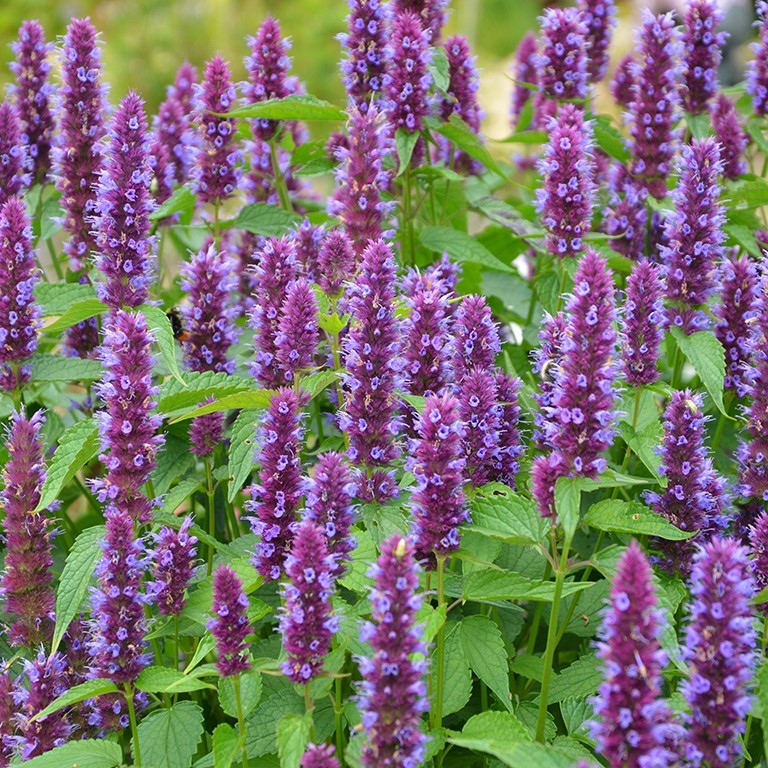
Agastache ‘Beelicious’: Colourful Blooms Loved by Bees
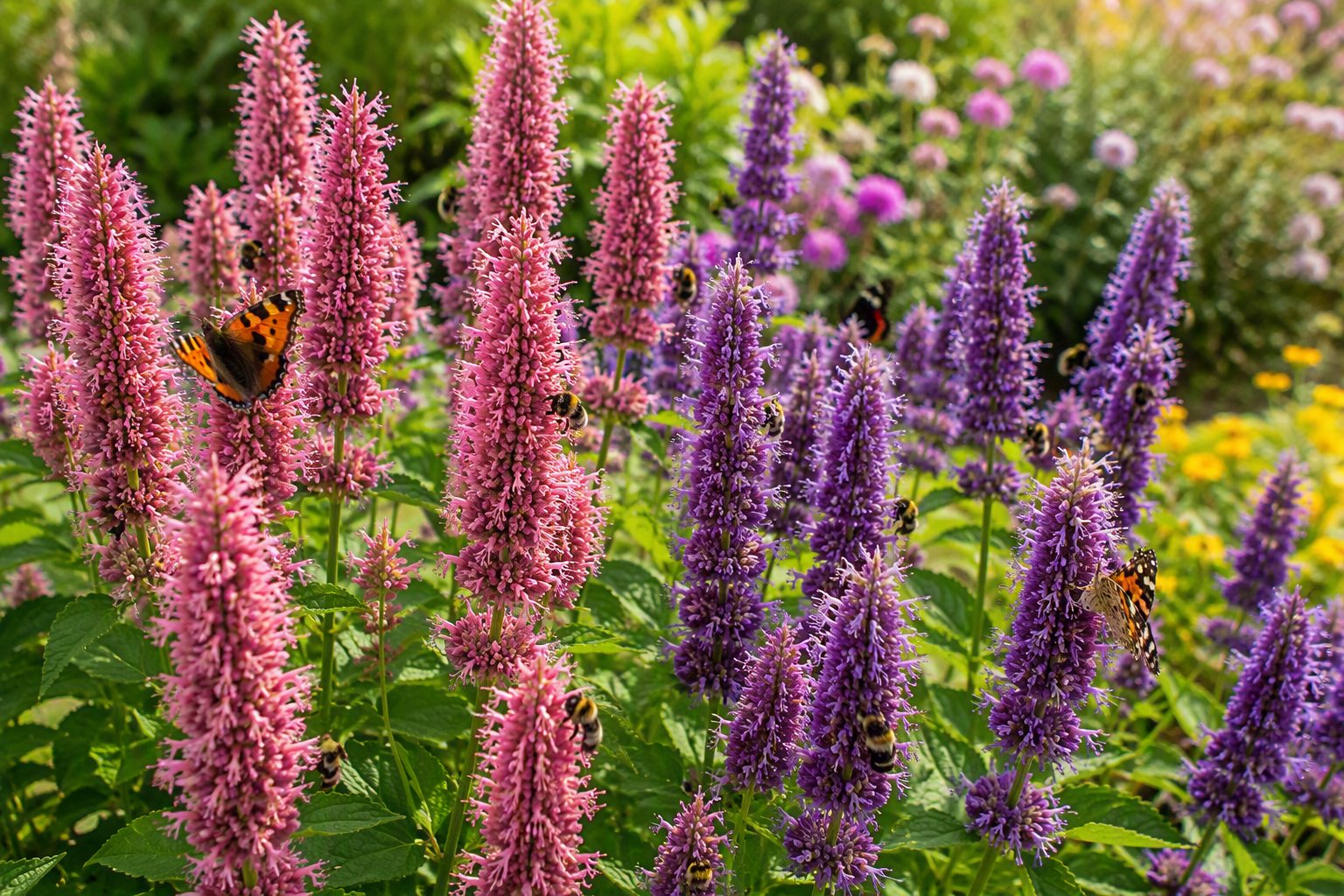
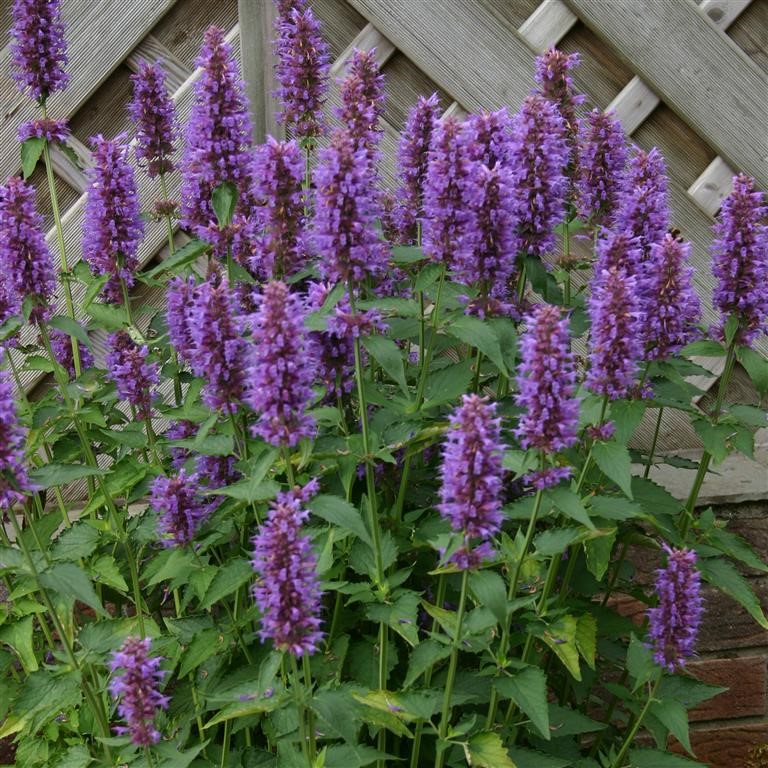
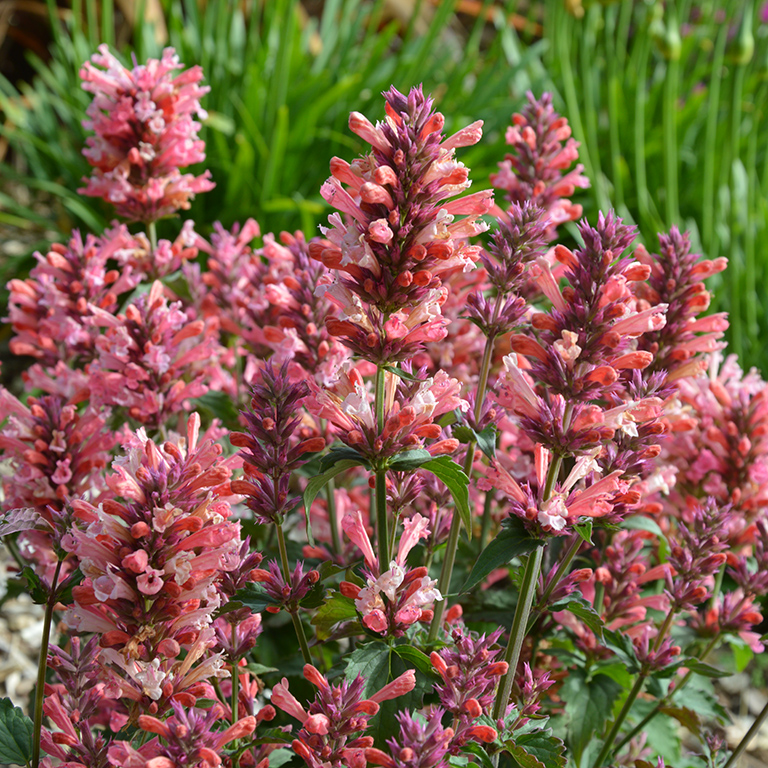
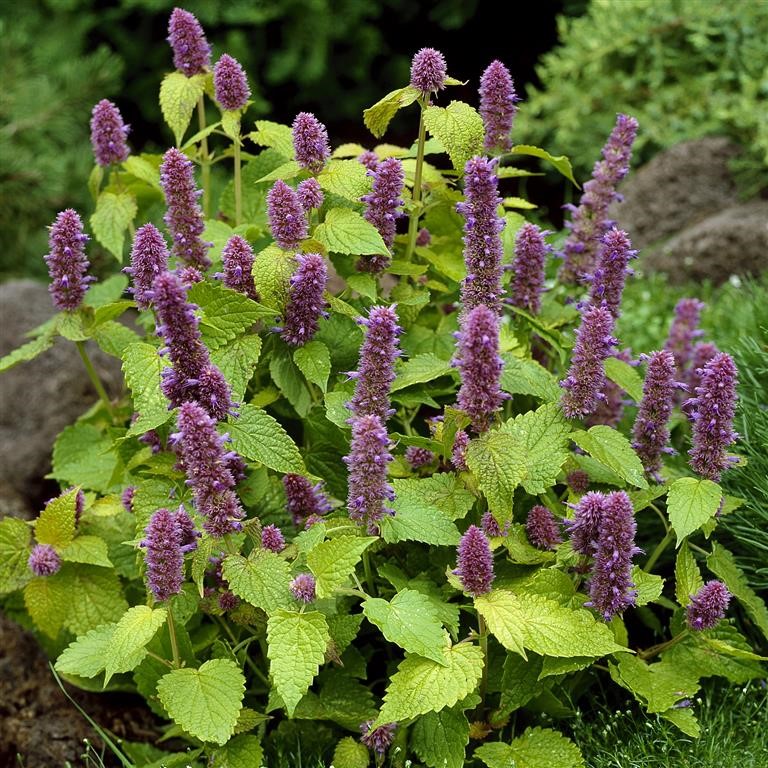
Agastache 'Beelicious Pink' and 'Beelicious Purple' are compact, long-flowering perennials that bring months of colour to sunny gardens. Producing spikes of fragrant flowers from midsummer through to autumn, they are highly attractive to bees, butterflies and other pollinators.
Perfect for borders, containers and wildlife-friendly gardens, these easy-care plants thrive when given plenty of sunshine and excellent drainage.
Why Grow Agastache ‘Beelicious’?
A Pollinator Favourite
The nectar-rich flowers are irresistible to bees and butterflies, making them an excellent choice for wildlife gardens.
Long Flowering Season
Enjoy vibrant displays from July through to the first frosts with regular deadheading.
Compact & Easy to Grow
Unlike some taller agastache varieties, the Beelicious series remains neat and manageable, making it ideal for patios and smaller gardens.
Drought Tolerant
Once established, plants cope well with dry conditions and require very little maintenance.
How to Grow Agastache Beelicious
Position
For the best results, plant in:
- Full sun
- A warm, sheltered location
- Free-draining soil
The more sunshine your plants receive, the more flowers they will produce.
Soil Conditions
Good drainage is essential for long-term success.
Agastache grows best in:
- Sandy or loamy soil
- Raised beds
- Gravel gardens
- Containers with added grit
Avoid heavy, waterlogged ground, particularly during winter.
Planting Time
Spring is the ideal planting season, allowing roots to establish before colder weather arrives.
Space plants approximately 30–45cm apart to encourage healthy airflow and reduce the risk of mildew.
Watering & Feeding
Watering
Water regularly during the first few weeks after planting.
Once established:
- Water only during prolonged dry spells
- Avoid overwatering
- Allow compost to dry slightly between waterings
Feeding
Apply a light balanced feed in spring to encourage healthy growth.
Avoid excessive nitrogen-rich fertilisers, as these can produce soft growth that is more vulnerable to winter damage.
Pruning & Deadheading
Deadheading spent flower spikes encourages continuous flowering throughout the season.
Leave stems standing through winter and wait until spring before cutting plants back. This helps protect the crown from cold and wet weather.
Winter Care in the UK
While Agastache is generally hardy, winter wet is often more damaging than frost.
To improve survival:
- Apply a gravel or grit mulch around the base
- Ensure excellent drainage
- Protect container-grown plants from prolonged winter rain
- Move pots to a sheltered location if severe weather is forecast
In colder regions, container growing offers the best protection.
Common Problems
Powdery Mildew
Usually caused by overcrowding or poor airflow.
Aphids
Occasionally found on fresh young growth during summer.
Winter Losses
Most commonly caused by wet soil rather than low temperatures.
Providing free-draining conditions dramatically improves success.
Perfect Companion Plants
Agastache combines beautifully with other sun-loving perennials, including:
- Salvia
- Echinacea
- Lavender
- Nepeta
- Sedum
- Verbena bonariensis
Together they create colourful, pollinator-friendly borders packed with wildlife activity throughout summer.
FAQs
Is Agastache Beelicious hardy in the UK?
Yes, but good drainage is essential. Most winter losses occur because of wet soil rather than cold temperatures.
Does Agastache attract bees?
Absolutely. The Beelicious series was specifically bred to provide a reliable source of nectar for pollinators.
Can I grow Agastache in pots?
Yes. Containers are an excellent option, especially in gardens with heavy clay soil.
Should Agastache be cut back in autumn?
No. Leave stems in place over winter and cut back in spring when new growth appears.