Primula pulverulenta — The Towering, Early Candelabra Primrose for Moist, Shaded Gardens
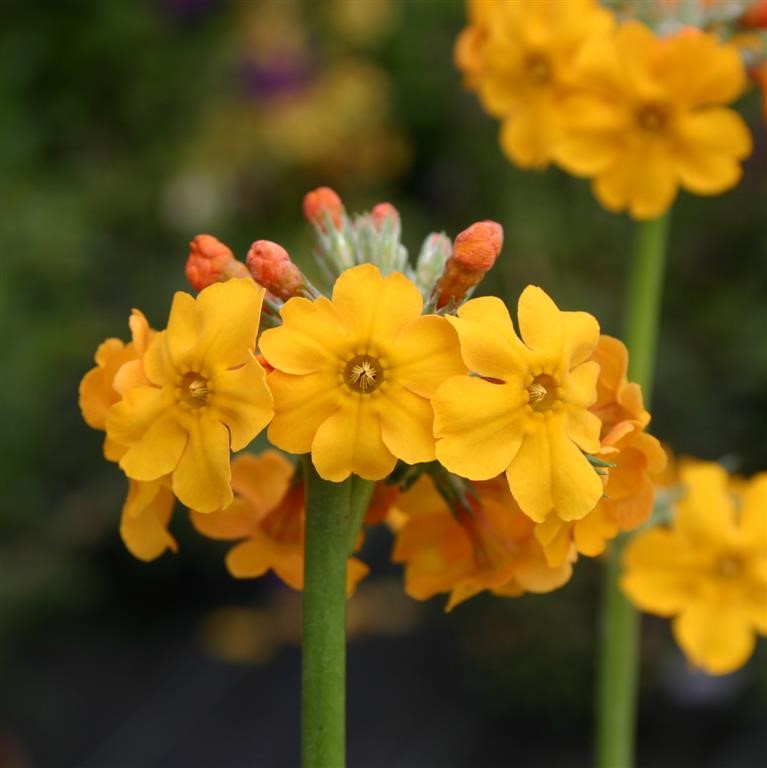
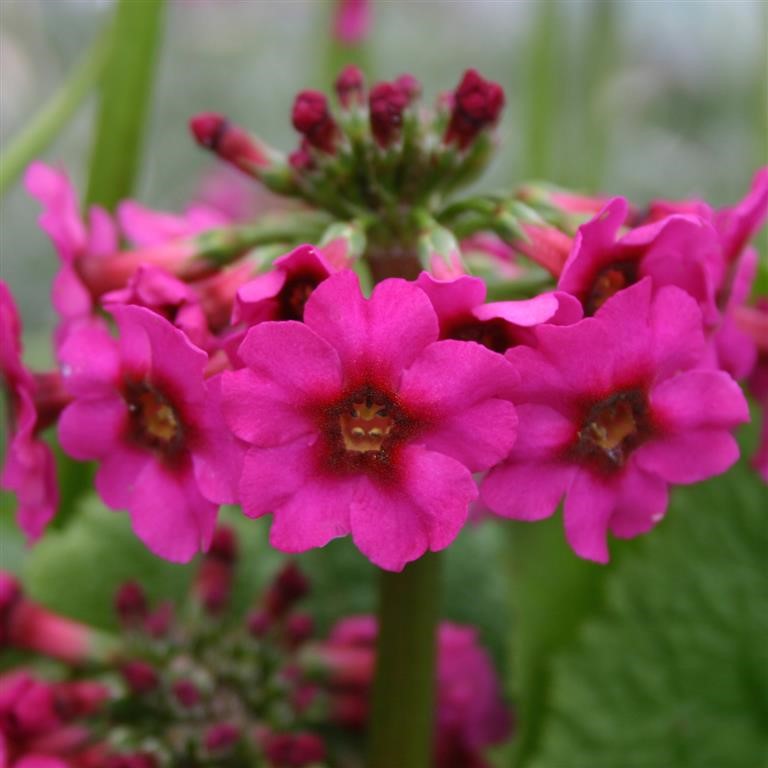
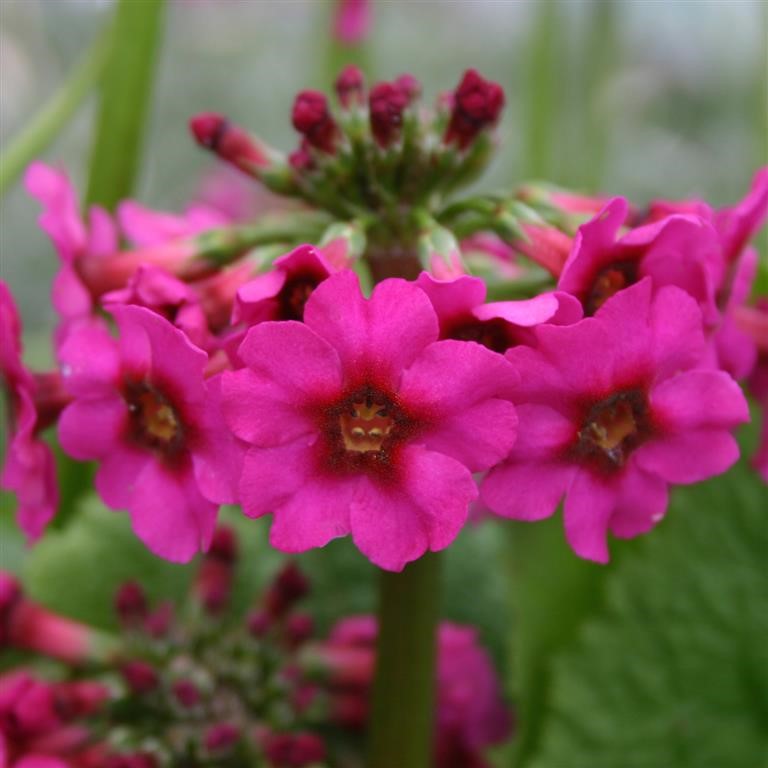
Primula pulverulenta is one of the most dramatic candelabra primroses, producing tall, powder‑dusted stems topped with vivid tiers of crimson, magenta and burgundy blooms. Flowering earlier than most candelabras, it thrives in damp, shady soil and naturalises beautifully along ponds, streams and woodland borders.
Why Primula pulverulenta Is a Garden Favourite
This long‑lived, moisture‑loving primrose is instantly recognisable for its farina‑dusted stems and multi‑layered whorls of deep, rich flowers. Its early flowering season brings height and colour just as shaded gardens are waking up. Over time, it forms natural colonies, creating a glowing tiered display through late spring and early summer.
Ideal Growing Conditions
Light
- Partial shade to full shade
- Can handle more sun in cool climates if soil stays wet
- Performs best in woodland‑style light
Soil
- Rich, moist, humus‑heavy soils
- Tolerates clay, acidic, neutral, and even wet sand
- Avoid stagnant bogginess — prefers “moist, not airless”
Moisture
- Needs consistent moisture all season
- Mulch yearly to preserve moisture and keep roots cool
- Thrives beside streams, ponds, or damp borders
Hardiness & Growth
- Hardy across the UK
- Semi‑evergreen in mild winters
- Grows 60–90 cm tall, 30–45 cm wide
- Flower tiers appear late spring to early summer
Planting & Spacing
- Best planted in spring or early autumn
- Space 30–45 cm apart for strong vertical tiering
- Plant crowns level with soil surface
- Excellent in drifts for maximum impact
Care & Maintenance
Watering
- Keep soil evenly moist — never allow to dry
- Water at the base to prevent leaf issues
- Particularly important in dry spells
Feeding
- Light, balanced feed in early spring
- Avoid heavy nitrogen (creates leaves, not flowers)
Deadheading
- Remove spent tiers to tidy the plant
- Allows more energy into next year’s growth
- Leave some stems if you want gentle self‑seeding
Dividing
- Divide every 2–3 years in early spring or autumn
- Helps maintain vigour and encourages colony expansion
Winter Care
- Hardy, but appreciates a light mulch in very cold areas
- Remove mulch in early spring to avoid damp rot
Pests & Issues
- May attract slugs and aphids
- Good airflow prevents leaf‑spot and mildew
- Avoid overhead watering to reduce fungal risk
Wildlife Value
Pollinator‑friendly and full of nectar, Primula pulverulenta attracts butterflies, bees and hoverflies, making it ideal for wildlife‑first borders and shaded pollinator plantings.
Where It Shines
- Stream and pond margins
- Shaded bog gardens or damp woodland paths
- Moist mixed borders needing height and structure
- Naturalised candelabra primrose drifts
Pairs beautifully with hostas, ferns, astilbes, Rodgersia, Brunnera, and Japanese woodland plants.