Primula vulgaris (Common Primrose) – A Classic Native Spring Favourite
Primula vulgaris, the Common Primrose, is one of the most instantly recognisable and much‑loved native plants in the UK. Flowering early in the year, its soft pale‑yellow blooms appear just as winter fades, bringing gentle colour and life to gardens, hedgerows, and woodland edges.
Naturally suited to UK conditions, the Common Primrose is ideal for wildlife gardens, shaded borders, containers, and naturalistic planting schemes.
Why Grow Primula vulgaris?
Primula vulgaris is valued for its reliability, early flowering, and strong connection to the British landscape. It is an easy plant to grow and a perfect choice for gardeners of all experience levels.
Key benefits include:
- One of the earliest spring flowers
- Native British wildflower with strong wildlife value
- Fully hardy and low maintenance
- Ideal for shade and woodland‑style gardens
- Excellent for naturalising and informal planting
Flowering and Appearance
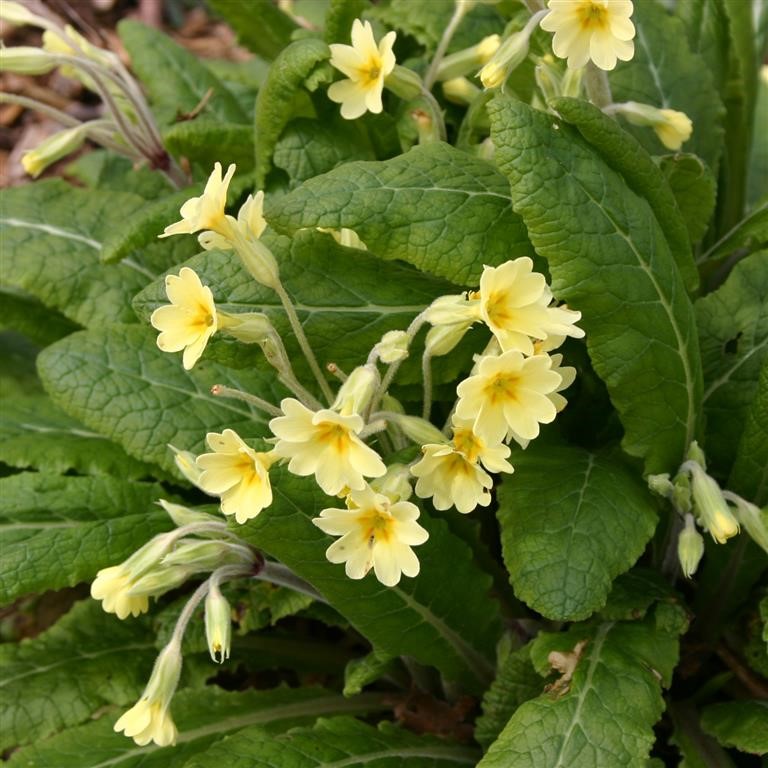
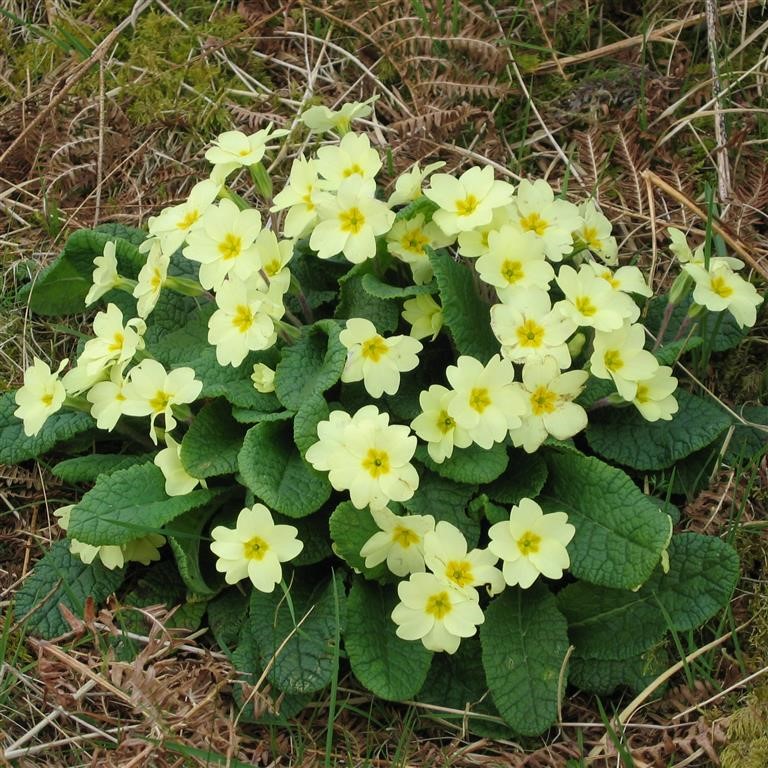
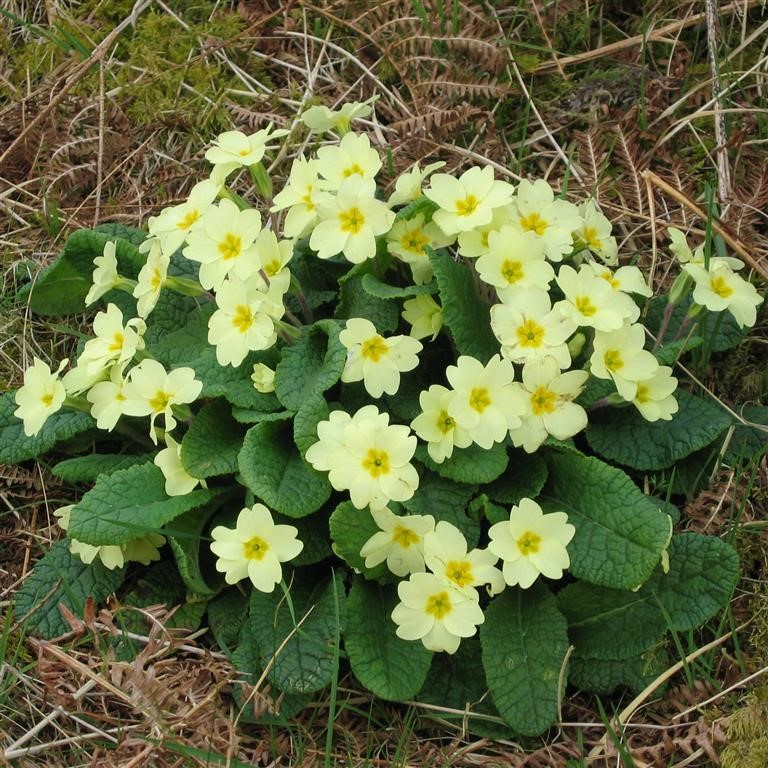
The Common Primrose forms low rosettes of soft, crinkled mid‑green leaves. From late winter into spring, single open flowers are held close to the foliage, each bloom pale yellow with a deeper yellow centre.
- Flowering period: February to April
- Flower colour: Soft primrose yellow
- Height: Around 10–15cm
- Spread: Approximately 20–25cm
Primula vulgaris often flowers earlier than many other perennials, providing vital early colour and interest.
Best Growing Conditions
Primula vulgaris thrives in conditions similar to its natural woodland and hedgerow habitats.
- Light: Partial shade to light sun
- Soil: Moist, humus‑rich, well‑drained soil
- Soil type: Neutral to slightly acidic
- Position: Shaded borders, woodland gardens, containers, under shrubs
Avoid very dry soils, especially during spring, to ensure healthy growth and flowering.
Planting and Care
Plant Primula vulgaris in autumn or spring. Set plants at the same depth they were growing previously and water well after planting.
Ongoing care is straightforward:
- Water during dry spells
- Mulch annually with compost or leaf mould
- Deadhead faded flowers to extend the display
- Divide clumps every few years if needed
Once established, primroses are resilient and long‑lived.
Wildlife and Garden Value
As a native wildflower, Primula vulgaris is an important early nectar source for bees emerging from winter. It integrates beautifully into wildlife‑friendly gardens and natural planting schemes.
It pairs well with:
- Primula veris (Cowslip)
- Pulmonaria
- Ferns
- Snowdrops and early narcissus
A Timeless Spring Essential
Whether planted beneath shrubs, along shady borders, or allowed to naturalise in lawns and woodland gardens, Primula vulgaris is a timeless spring classic. Its gentle beauty, ease of care, and ecological value make it a must‑have for UK gardens.
FAQs
Is Primula vulgaris native to the UK?
Yes, the Common Primrose is a native British wildflower.
Can Primula vulgaris grow in shade?
Yes, it thrives in partial shade and woodland conditions.
Will primroses spread?
Yes, they can gently self‑seed and slowly form natural clumps.
Shop Primula Plants at Dartana
At Dartana Plants, we grow and supply high‑quality Primula varieties suited to UK gardens. Primula vulgaris is ideal for adding early colour, wildlife value, and classic charm to your garden.