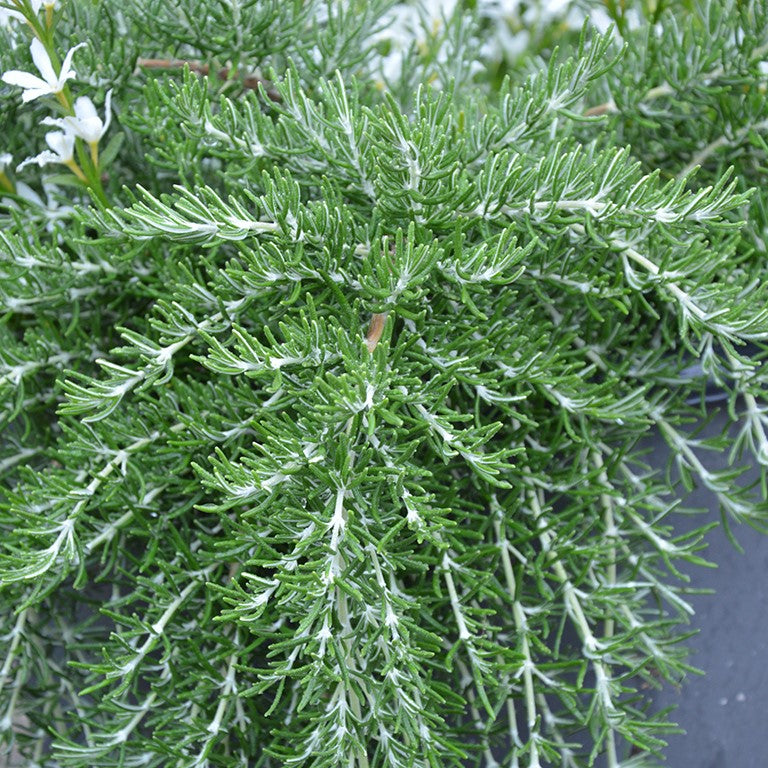

Propagating Rosemary in a Plant Snail: A Fun, Fool‑Proof Guide
Growing Rosemary the Fun Way
Propagating rosemary doesn’t need fancy tools — just a healthy stem and a quirky plant snail. This simple method creates strong, rooted rosemary plants while adding a touch of charm to your garden or kitchen windowsill. Here’s exactly how to do it, step‑by‑step.
Why a Snail Planter Works Brilliantly
Using a snail planter isn’t just cute — it’s functional. The narrow, contained space helps maintain early moisture while the shallow depth prevents overwatering, something rosemary hates. Plus, it’s perfect for indoor propagation during cooler months.
What You’ll Need
- A healthy rosemary stem (10–12cm long)
- Sharp, clean snips
- Free‑draining compost (multipurpose + grit works well)
- Your snail planter (ceramic, resin, or terracotta)
- Light water spray
- Optional: Clear cover or wrap to help humidity
Step‑By‑Step: Propagating Rosemary in a Snail Planter
1. Choose a Strong Cutting
Select a healthy, semi‑ripe stem. Avoid woody, brittle branches — the ideal cutting should bend slightly without snapping.
2. Take the Cutting Correctly
Snip just below a leaf node. This is where new roots are most likely to form.
3. Prepare the Cutting
Strip off the lower sets of leaves, leaving the top 3–4cm intact. A clean, bare stem = better rooting success.
4. Prep Your Snail Planter
Give the snail a rinse, especially if it's been outdoors. Fill with light, airy compost. Rosemary loves drainage — soggy roots mean certain death.
5. Plant the Cutting
Use a dibber or a pencil to create a hole, insert the cutting gently, and firm the compost around it so it stands upright.
6. Water Lightly
Give a light drink — moist, not wet. The snail planter’s shape helps retain just enough humidity.
7. Maintain With Minimal Fuss
Place the snail somewhere bright but not in direct sun. After 3–6 weeks, gently test for resistance — a sign roots have formed.
Top Tips for Stronger Rosemary Roots
- Bottom heat (like a warm windowsill) speeds things up.
- Avoid overwatering — let the top 1–2cm dry out before adding more.
- Propagate multiple cuttings at once for higher success.
When to Pot Up
Once rooted, move your baby rosemary into a slightly larger pot (9cm works well). Use gritty compost and water sparingly.
Internal Link Suggestions
- Link to Growing Herbs in Containers
- Link to Why Good Drainage Matters for Mediterranean Plants
- Link to How to Revive a Woody Rosemary Plant
- Link to your Rosemary Plug Plant Listings on Shopify/eBay
FAQs
How long does rosemary take to root?
Typically 3–6 weeks, depending on temperature and light.
Can I propagate rosemary in winter?
Yes — especially indoors with a bright window and a snail planter that helps retain warmth.
Do I need rooting hormone?
Rosemary roots happily without it, but using it can speed things up.
How often should I water it?
Only when the compost dries slightly. Overwatering is the fastest way to kill rosemary cuttings.