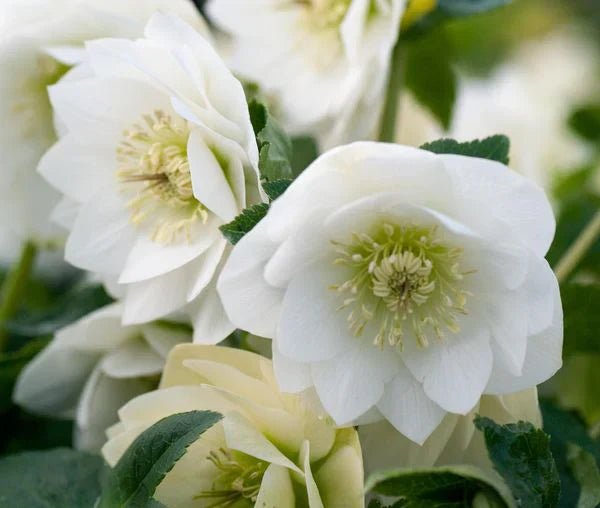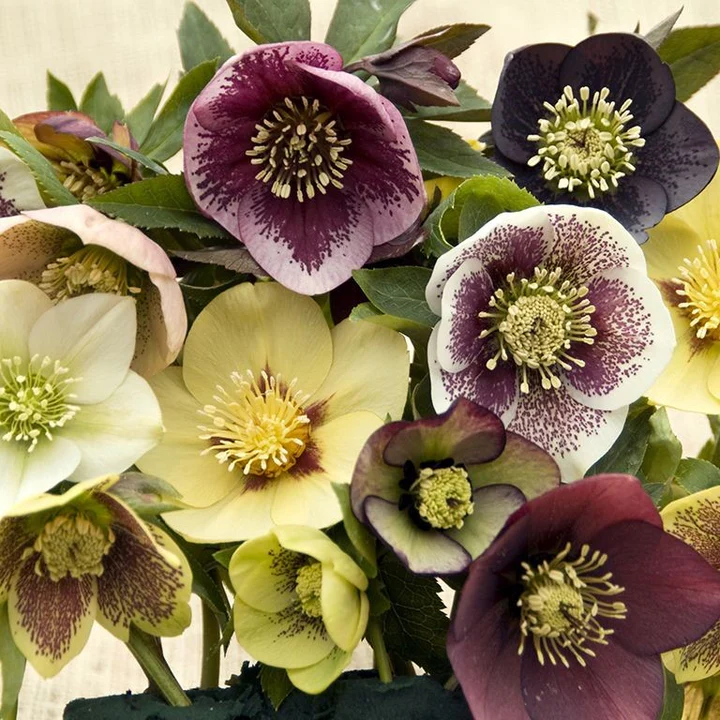
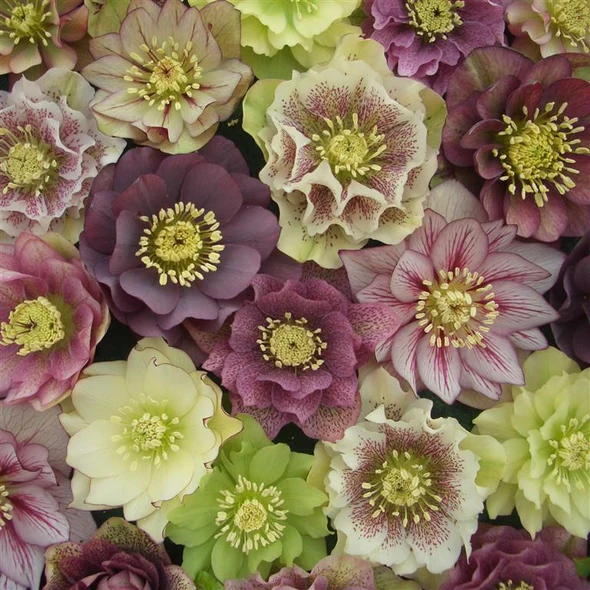
Hellebore Plug Plants: Evergreen Winter Flowers for Shady UK Gardens
If you want proper colour when the garden’s half asleep, hellebores are the answer. They’re hardy, evergreen, and flower from winter into early spring—right when you need something to lift borders, beds, and containers. Starting from plug plants is a cost‑effective way to establish strong plants that bulk up and improve year after year.
Shop the full range here: Browse Hellebores
Why choose hellebore plug plants?
Hellebore plug plants are young, well‑rooted plants that settle in quickly and are easy to handle. They’re ideal if you want to plant a drift under shrubs, brighten a shady border, or build up winter structure without paying for fully grown plants.
Plugs are also great if you like control: pot them on, toughen them up, then plant out when conditions suit.
Want the detailed “what plugs are / how to grow them on” guide?
Plug Plants: Complete UK Guide
Best position (light + location)
Hellebores shine in partial shade to shade—think woodland edges, north/east-facing borders, or under deciduous shrubs where they get light in winter and dappled shade in summer.
They’re perfect for those “nothing grows there” spots… where actually, hellebores do.
Soil (what they like, what they hate)
Aim for moist but well‑drained soil with organic matter mixed in. Compost, leaf mould, or well‑rotted manure at planting time makes a big difference to establishment and long-term performance.
Avoid waterlogging (soggy ground is the quickest way to make hellebores sulk).
How to plant hellebore plugs (quick, practical)
- Water the plug tray first so plants slide out cleanly.
- Prepare the soil or pot with compost-rich, free-draining mix.
- Plant at the same depth the plug was growing.
- Firm in gently and water to settle.
- Keep evenly moist while they root out (especially the first few weeks).
If the garden is still cold and battered, potting on first is a safe move.
Full step-by-step growing guide:
Hellebore Plug Plants – Complete UK Growing Guide
Watering, feeding & mulching (what actually matters)
- Water: keep moisture steady while establishing. Once settled, they’re resilient, but they flower best when the soil doesn’t bake dry for weeks on end.
- Mulch: an annual mulch (autumn is ideal) helps hold moisture and improves soil structure.
- Feeding: hellebores don’t need heavy feeding—healthy soil and a yearly mulch usually does the job.
The winter tidy-up (the one job that pays off)
In late winter, remove older, tatty foliage to:
- show off the flowers
- improve airflow
- reduce the chance of leaf problems carrying over
Don’t scalp everything for the sake of it—just open the plant up and remove the worst.
Common problems (and simple fixes)
- Marked/spotty leaves: remove affected foliage, improve airflow, avoid soaking leaves when watering.
- Slugs/snails on young growth: protect plugs early on, especially in damp gardens.
- Poor flowering: usually dryness, very deep shade, or tired soil—mulch, keep moisture steady, and give them brighter winter light if possible.
Which hellebores should you pick?
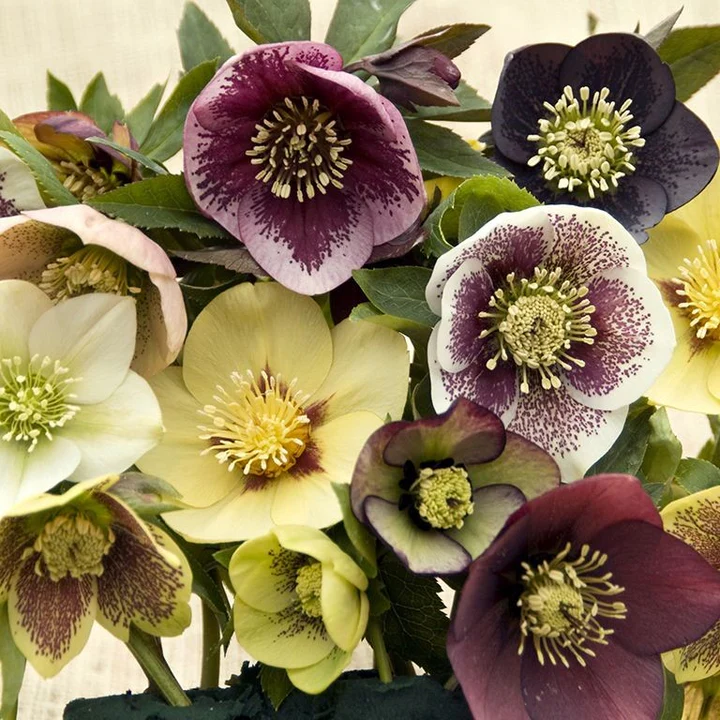
If you like strong winter impact, go for doubles and interesting colours. Here are a few solid options to link from this post:
- Hellebore Double Green — 5 Pack (5cm plug plants)
- Hellebore ‘Double White’ — 5 Pack (5cm plug plants)
- Hellebore ‘Double Yellow Spotted’ — 3 Pack (5cm plug plants)
If you’re choosing by type and colour (rather than just “that one looks nice”), this guide helps:
Hellebore Varieties Explained — Full UK Growing Guide
Quick FAQ
Do hellebores cope with shade?
Yes—hellebores are classic shade/part-shade plants and are ideal for woodland-style borders.
When will they flower?
Most hellebores flower from winter into early spring, bringing colour when little else is going.
Can I grow them in containers?
Yes—use a deep pot, free-draining compost, and don’t let them dry out completely while establishing.


.png)