Lavender Plants Guide: Grow Fragrant, Drought‑Tolerant Beauty in Any Garden
Lavender is one of the most dependable and rewarding plants you can grow in a UK garden. Known for its fragrant flowers, silvery foliage, and drought tolerance, it performs best where other plants often struggle—dry, sunny positions with free‑draining soil.
If you’re starting with plug plants, you’re giving yourself a strong, cost‑effective foundation. Young lavender establishes quickly and develops into compact, long‑lived plants when grown correctly. As highlighted in the Lavender Plug Plants – Planting & Care Guide, plugs are one of the easiest ways to build borders, edging, or low hedging in a single season.
Why Grow Lavender Plants?
Lavender is more than just a flowering plant — it’s a functional, low‑maintenance backbone for many garden styles.
- Produces highly fragrant summer flowers
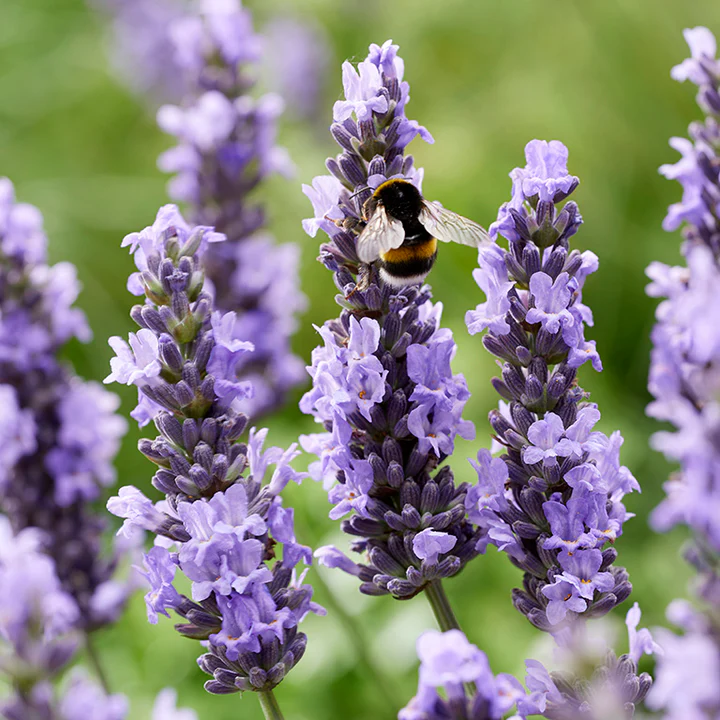
- Attracts bees and pollinators throughout the season
- Drought tolerant once established
- Suitable for borders, edging, containers, and gravel gardens
- Evergreen structure in mild UK conditions
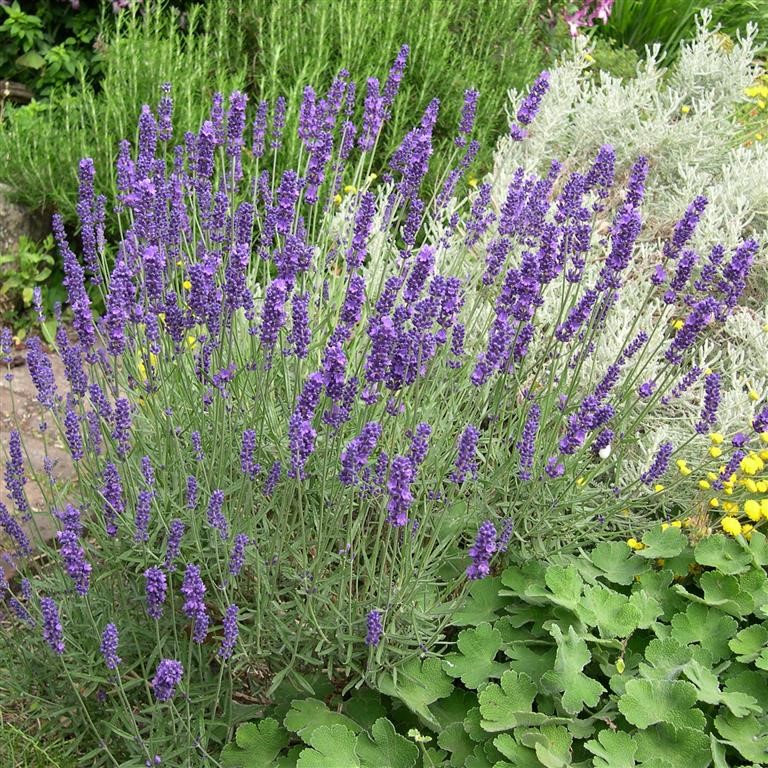
Lavender (Lavandula) is also valued for its versatility and long flowering period, making it ideal for both formal planting and relaxed cottage‑style gardens.
Choosing the Right Lavender Plants
Not all lavender is the same. The most commonly grown types include:
- English Lavender (Lavandula angustifolia) – Hardy, compact, ideal for UK gardens
- French Lavender (Lavandula stoechas) – Decorative flower heads, less hardy
- Hybrid Lavenders (Lavandula × intermedia) – Larger plants with strong fragrance
For reliable UK performance, English varieties like those in the Lavender Plant Collection – View All Varieties are the best starting point.
How to Grow Lavender Successfully
Lavender thrives when you match the conditions to its Mediterranean origins.
Position
- Full sun (minimum 6 hours daily)
- Open, well‑ventilated location
Soil
- Free‑draining is essential
- Avoid heavy, waterlogged soil at all costs
Planting
- Plant plug plants from spring onwards
- Space 30–40cm apart for airflow and shape
Watering
- Water during establishment only
- Minimal watering once mature
Lavender performs best in dry, sunny positions and struggles in damp conditions, making drainage the most important factor for long‑term success.
Care & Maintenance
Lavender is low maintenance, but a few simple tasks will keep plants at their best:
- Pruning: Trim after flowering to maintain compact growth
- Feeding: Light feed in spring only
- Maintenance: Avoid cutting into old woody stems
Done properly, lavender remains productive and attractive for many years with minimal effort.
Best Uses in the Garden
Lavender is one of the most versatile planting options available:
- Low hedging and edging along paths
- Cottage garden borders
- Gravel and Mediterranean‑style planting
- Containers and patio displays
- Pollinator‑friendly planting schemes
Its compact habit and consistent flowering make it ideal for structured planting and repetition across a border.
Start Growing Lavender with Dartana Plants
For strong, garden‑ready plants, explore:
- Lavender ‘Hidcote’ Plug Plants – 9 Pack
- Lavender ‘Folgate’ Plug Plants – Jumbo Plugs
- Browse All Lavender Plug Plants
These plug plants are UK‑grown, well‑rooted, and suited to quick establishment in borders and containers.